












|
|
|
Beijing is a rapidly growing city, but growth has come at the price of air quality. This section breaks down the main types of pollution, describes what the risks are and how an air cleaner can help. Though this section refers to Beijing, the same risks exist in many other cities in China and worldwide. Pollution affects everyone, but the risks are most acute for children, whose lungs are still developing. References at the end of this page provide some perspective on this. The good news is that the risks from air pollution are controllable and need not affect your health during your stay in China, provided the right precautions are taken. Also see our FAQs page for answers to specific questions on health, air purifiers and so on. |

China Air |
Pollution Type |
Should I be concerned? |
Removed by Blueair? What else can I do? |
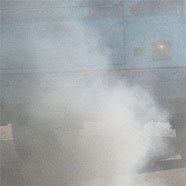 |
Micro-fine airborne pollutants (PM2.5)Less than 10 microns (PM10) Cigarette smoke |
Yes: serious health risk to allPM2.5 (particles of 2.5 microns and less) pose the greatest health risk. Implicated in respiratory and cardiovascular disease. |
Yes, Blueair purifiers HEPA filters remove 99% plus of all microfine pollutants (PM2.5)Avoid walking and cycling by roads with heavy traffic. Let kids get their exercise on the sports field rather than on the roads. Quit smoking ... or if this is not possible, don't smoke indoors or around family members. |
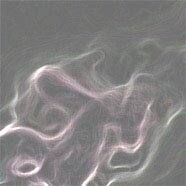 |
Volatile organics and gases (VOCs)From combustion engines and industrial sources (outdoors) and from glues, paints and polymers (indoors). |
Yes: significant health risk to allSick building syndrome, common amongst workers exposed to newly renovated buildings. |
Yes, Blueair purifiers fitted with Smokestop charcoal-containing filters remove formaldehyde, solvents, ammonia and ozone.Ask us if your home or office has an odor problem or if you are worried about VOCs since we can recommend the correct filter choice for this situation. |
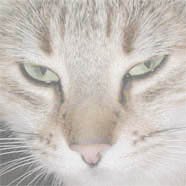 |
Pollen and mold spores (from outdoors) and pet dander (indoors) |
Yes: health risk to susceptible individualsMay cause asthmatic reaction (shortness of breath) in or make asthma worse in susceptible individuals. |
Yes, Blueair purifiers remove pollen and mold sporesAir cleaners can play an important role. Asthma sufferers may also need other measures to control their symptoms and should get professional advice. |
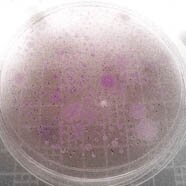 |
Bacteria and virusesParticles created when we sneeze. |
Yes: significant health risk during epidemicsFlu and flu-like diseases (SARS, H1N1) are spread on airborne particles created by sneezing. |
Yes, Blueair purifiers HEPA filters efficiently remove airborne disease particlesMany diseases are also spread by surfaces, so air filtration should be combined with good hygiene (hand washing, regular cleaning of surfaces in public areas). |
 |
Large dust particlesThe kind you find on your car in the morning. From construction sites locally and desert soils from further away. |
NoA nuisance rather than a major health risk. |
Yes, removed by the pre-filter in Blueair air purifiers.Check door and window seals. Consider fitting double glazing. |
Resources related to Beijing Air QualityFor the technically minded, the Air Quality Monitoring and Forecasting website provides data and forecasts for China for particulates (PM10) and also for gaseous pollutants (NO2, ozone). This website was set up jointly between Chinese and European universities. Official Chinese Government website with PM2.5 pollution data: this site quotes API (air pollution index) data: this is calculated from a combination of particulate and gaseous readings. Note that this is a China-specific API scale: outside of China the particulate pollution levels corresponding to a reading of 100 on the China scale would be regarded as "highly polluted"! Nevertheless the site provides a useful indication of trends. US Embassy PM2.5 AQI pollution index (Twitter Feed), hourly updates of air quality in downtown Beijing. Uses a different index (US EPA index) compared with the China Govt site. The following three papers (available online by follwing the links) provide some perspective from the medical profession on the impact of air pollution on chlldren's health and development: The Effect of Air Pollution on Lung Development from 10 to 18 Years of Age |